Costly Love


Mardan Church
It was so sad to hear during the services on Mothering Sunday from members of our congregation who are Pakistani Christians about the attacks in the churches Christian neighbourhood of the Pakistani city of Lahore. The BBC reports that more than 70 people were hurt in the explosions, which targeted worshippers attending  at All Saints and the RC Church in the Youhanabad area.

I have met the former Bishop of the Diocese of Peshawar, the Rt Revd Mano Rumalshah and remember him talking about how the Church ministers in what he calls a hostile land. Straddling the border of Pakistan and Afghanistan, the Diocese of Peshawar exists in one of the most hostile settings on earth. Taliban forces take refuge in this area, as part of the diocese encompasses a buffer zone or “lawless” area between the two countries where global powers engage in the war against terrorism. According to Bishop Rumalshah, no real border exists because one tribe of people represents the majority population of both Afghanistan and the Northwest Frontier Province of Pakistan (or NWFP) within the diocese.

All Saints, Lahore
The Gospel is lived in this most difficult situation. Mano describes the Church as “not a church for the poor, because there are too many. We are a church of the poor." The Diocese of Peshawar serves the poorest of the poor with medical and pastoral care as well as educational training. “Anyone who walks through that door is a child of God,” Bishop Rumalshah says . “It’s a costly love, a sacrificial love. It is a precious love.”


That love is an inspiration to us. I pray that we resist the fear and blame that can abound after violence, and work together with all people of faith against terrorism and hatred.


The Good Society


What's your vision and hope in this General Election year ? And I don't mean which way are you going to vote. I am asking the bigger and harder question about what vision you have for the Good Society ?

In Matthew, Mark, and Luke we are invited into Jesus' vision of the Kingdom of God. It's a reality now we are told and we see signs of it in the Gospel stories but is also something hoped for, something that we need to work and pray for.

Our faith is historic but also engaged with the past, the present and the future. As we say in the Eucharist: "Christ has died, Christ is Risen, Christ will come again." It is this sense of being part of God's people through all time that gives us a unique take on the present. We see the present with the wisdom of the past and the hope of the future.


I was very taken with the theme for Church Action on Poverty Sunday on the 15th February. This year they are asking us to explore Visions of a Good Society, in the light of the Wisdom of the Bible and the experience of people from our parishes who suffer from poverty.They describe their vision as believing "in the unique value of every human being, created in the image of God. We know that if we work together, we can Close the Gap between rich and poor, and build a society which will be happier, healthier, safer and fairer."

I wonder what vision of the Good Society the people of Rochdale have ? It would be interesting to talk about this with them and to share the insights and challenge of Christian faith. I am sure our Muslim friends would have much to contribute too. Proverbs 29.18 says "Where there is no vision, the people perish". I hope this year in town, church and nation we shall have a vision of a Good Society.


Pilgrimage

Some of my best conversations have taken place when walking. Whether with friends or strangers the walking somehow oils the process of meeting others. And even more so when there is a common
St Chad's Church Tower
purpose, the same destination, the shared goal, as in a pilgrimage.

My vicar friend Andy blogs about pilgrim walking. It becomes for him a way of looking at the world.An excerpt from his blog: "There is also something about walking, thinking and reflecting at the same time.  Is there a connection to tacit knowledge where you learn by doing things with your hands?  Perhaps a variant of it?  Certainly it was good to reflect back on the last year which has been hard and good........."

I have been helping plan a pilgrimage for Saturday 14th February. We are working with the 3 Faiths Forum and local Churches and Mosques to organise a walk from Rochdale Parish Church, St Chad's to the Golden Mosque and then to St Edmund's, both in Falinge. In the spirit of the Three Faiths Forum, which is a partner, we hope some of our Jewish brothers and sisters will be able attend.* Along the way we will hear a bit about the places of worship we are visiting, and when we arrive at St Edmund's there will be food and refreshments, and some short talks on the theme of Pilgrimage in the different faith traditions.

A still image from the film Still Point
And there will be a film, Still Point, which has been produced to get us to think about sacred spaces and places of pilgrimage. I am looking forward to the conversations we will have, and to what we will learn about the Creator of all from each of our traditions. The walking will open our eyes and hearts.

* A bit about the Three Faiths Forum: They describe themselves as building understanding and lasting relationships between people of all faiths and beliefs. And to the question "Why is this work needed?" they reply: "In our diverse societies good relations between our communities are essential. Without these ties, myths and prejudices flourish, often leading to racism and intolerance. Our programmes break down barriers and find ways for people to work together to improve their communities and society. By building new inter-communal relationships we make positive social change possible."


Train Tracks to Remembering


I have been asked to read at the forthcoming Holocaust memorial day for Rochdale borough. It's to be held at Middleton Arena on 27 January. It is a privilege to do this and look forward to it, with some heaviness. For these are dark and difficult stories, of hatred of minorities, of poisonous myths, of the mechanics of genocide... and we see them occurring still. So it will be poignant. It was chilling to hear of the attacks on the Kosher supermarket on the 9th January, reminding us all that anti-semitism is still around.

I remember reading Martin Gilbert's book Holocaust Journey whilst in Poland in holiday in 1998. I kept looking at the train tracks and thinking to myself: It was those rails that took millions of Jews, Gays and Trades Unionists to their death.

I am sure that it is true that we are what we remember. We become the stories we tell and retell. I have come to see this particularly in my research into what we say and do in Church. When we forget to pray about certain things, or never mention the earth, or the poor, in our Holy Communion, then we begin the process of forgetting. It begins innocently enough, but ends with others' suffering.

It was striking to see on TV the leader of the West London Synagogue talk about Holocaust Memorial Day. I was very impressed that when asked about how the Jewish community felt now after the Charlie Hebdo events, she kept turning the focus back to the difficulties that all minorities face. She wanted to remind us that it wasn't just about Jews. Although the Holocaust is most principally about the attempted extermination of the Jewish people, it's a horror that is done to other minorities, still. Generously she spoke about Muslim minorities in the UK.

That was generous remembering that resulted in action for justice and peace for others. You can see that in their web site. They are doing interfaith work, running a night shelter with local churches.... very impressive. All this (let me call it) "beyond our own" thinking reminds me of Pastor Martin Niemoller's famous words:

First they came for the Jews
and I did not speak out
because I was not a Jew.
Then they came for the Communists
and I did not speak out
because I was not a Communist.
Then they came for the trade unionists
and I did not speak out
because I was not a trade unionist.
Then they came for me
and there was no one left
to speak out for me.


Thank God for the journalists that remind us of the plight of the other beyond our own kith and kin. (I hope us priests and religious leaders do this too, but I know sometimes we fail.) With brave journalists and film makers in mind, I am looking forward to seeing the forthcoming Programme Holocaust: Night will Fall on Channel 4 this Saturday. It's about the filming of the liberation of Auschwitz and why the film that was made was not shown and the burden those who film such atrocities carry. They do us a service in helping us remember what we may prefer to forget.


 In that film, we shall no doubt see those train tracks again, to remind us of the horrors of holocaust.


First they came for the Communists
And I did not speak out
Because I was not a Communist
Then they came for the Socialists
And I did not speak out
Because I was not a Socialist
Then they came for the trade unionists
And I did not speak out
Because I was not a trade unionist
Then they came for the Jews
And I did not speak out
Because I was not a Jew
Then they came for me
And there was no one left
To speak out for me - See more at: http://hmd.org.uk/resources/poetry/first-they-came-pastor-martin-niemoller#sthash.b83cdi0W.dpuf
First they came for the Communists
And I did not speak out
Because I was not a Communist
Then they came for the Socialists
And I did not speak out
Because I was not a Socialist
Then they came for the trade unionists
And I did not speak out
Because I was not a trade unionist
Then they came for the Jews
And I did not speak out
Because I was not a Jew
Then they came for me
And there was no one left
To speak out for me - See more at: http://hmd.org.uk/resources/poetry/first-they-came-pastor-martin-niemoller#sthash.b83cdi0W.dpuf
First they came for the Communists
And I did not speak out
Because I was not a Communist
Then they came for the Socialists
And I did not speak out
Because I was not a Socialist
Then they came for the trade unionists
And I did not speak out
Because I was not a trade unionist
Then they came for the Jews
And I did not speak out
Because I was not a Jew
Then they came for me
And there was no one left
To speak out for me - See more at: http://hmd.org.uk/resources/poetry/first-they-came-pastor-martin-niemoller#sthash.b83cdi0W.dpuf
First they came for the Communists
And I did not speak out
Because I was not a Communist
Then they came for the Socialists
And I did not speak out
Because I was not a Socialist
Then they came for the trade unionists
And I did not speak out
Because I was not a trade unionist
Then they came for the Jews
And I did not speak out
Because I was not a Jew
Then they came for me
And there was no one left
To speak out for me - See more at: http://hmd.org.uk/resources/poetry/first-they-came-pastor-martin-niemoller#sthash.b83cdi0W.dpuf


Advent Journey

The idea of a journey, even a pilgrimage, is at the heart of the season of Advent. The four Sundays that take us up to Christmas when we celebrate the birth of Jesus the Christ, are stages on the way to awakening, if we let them be. The Advent countdown, and those four Sundays are like those piles of stones, those cairns which mark ones progress up the hill, through the mist, to the mountain top where you can see for miles and the sun shines. The message of Advent is that it is worth taking that journey, it is good to be prepared for the coming of the Lord Jesus.
 
Over the years I have taken many photographs of paths. 
Somehow the image of a path, whether up hills or over precarious bridges or down into dark unexplored dells, is a metaphor that captures something of the spiritual life. It’s a journey that begins with some trepidation, when it feels like it might be a good idea to stay at home, and then rewards with delight and … to use a very good and almost seasonal word, epiphany.

 
I like the many interesting traditions associated with Advent. It used to be for some a season of fasting. In some parts of the country a season of fasting would begin on the 11th November with a 40 days period of fasting up to Christmas – the 40 days of St Martin. I like the idea of welcoming the holy family into your home as in the Las Posadastradition of a 9 day time of visits by figures, images or actors representing Joseph, Mary and Jesus. But whether it’s the 24 or so days of advent, the 9 days representing the 9 months of gestation, we have some precious time in which to walk that inner journey, so we can welcome God made flesh, with open hands and open hearts.

Rememeber

I went to a very moving exhibition yesterday. Schools from across Rochdale borough gathered to show off their artwork, poems and presentations around the themes of faith. The day was organised by Sacre, the Standing Advisory Council for Religious Education. Each local authority has one and the Diocese of Manchester is represented along with other faiths. Doesn't sound much fun - but it was very impressive.

There were poppies everywhere ! Children had painted them, made large ones out of papier mache and done small red poppy prints with polystyrene. I asked the children what they were remembering and they told me about the many dead, and some told me of the brave soldiers' sacrifice. Many pictures showed the horror of war like this one.

Poppies have touched the hearts of the nation more than ever this year. Jon Snow presented Channel 4 news from outside the tower of London the other day. I have met several people who have been. It is a modern place of pilgrimage.It's touched the public imagination.

The main item on the news that night was the number of people dying from Ebola. Dying alone in the dirt, looked on at a safe distance by others, many are dying without medical care or anyone to hold them or touch them in their last hours. We saw film of Aminata from Devil Hole Junction in Sierra Leone. The TV crew had been to film her the day before and they came back yesterday to see if she was still alive. She wasn't - her body lay, untended, in the dust.


The value of a human life in Sierra Leone? $5,000


I revisited Devil Hole Junction and found that Aminata, who we filmed yesterday very sick from Ebola, died at about 8.30 last night.


Her semi-naked body had been writhing around next to a very public track when she died. She had suffered in the blazing sun all day.
There is no cordon - people pass close to her body. Nobody has any protective equipment here.


Mohammed, who we also filmed yesterday (see the film at the bottom of the page), is alive but has now been waiting around 30 hours for an ambulance. He looks sicker today.
All this as the Sierra Leone government announces $5,000 compensation for every health worker who has died. The value of a human life here, it seems.
- See more at: http://blogs.channel4.com/alex-thomsons-view/human-life-sierra-leone-5000/8551#sthash.dMFRguja.dpuf
The value of a human life in Sierra Leone? $5,000


I revisited Devil Hole Junction and found that Aminata, who we filmed yesterday very sick from Ebola, died at about 8.30 last night.


Her semi-naked body had been writhing around next to a very public track when she died. She had suffered in the blazing sun all day.
There is no cordon - people pass close to her body. Nobody has any protective equipment here.


Mohammed, who we also filmed yesterday (see the film at the bottom of the page), is alive but has now been waiting around 30 hours for an ambulance. He looks sicker today.
All this as the Sierra Leone government announces $5,000 compensation for every health worker who has died. The value of a human life here, it seems.
- See more at: http://blogs.channel4.com/alex-thomsons-view/human-life-sierra-leone-5000/8551#sthash.dMFRguja.dpuf
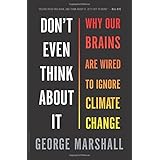
There are things we remember. And things we would prefer to forget.We are keen to forget the warnings about climate change. George Marshall in a book entitled "Don’t Even Think about It: Why Our Brains Are Wired to Ignore Climate Change" says that we always look for stories where there is a bad guy and a good guy when really things are more complex. 


The missing truth, deliberately avoided in these enemy narratives, is that in high-carbon societies, everyone contributes to the emissions that cause the problem and everyone has a strong reason to ignore the problem or to write their own alibi … If our founding narratives are based around enemies, there is no reason to suppose that, as climate impacts build in intensity, new and far more vicious enemy narratives will not readily replace them, drawing on religious, generational, political, class and nationalistic divides … History has shown us too many times that enemy narratives soften us up for the violence, scapegoating or genocide that follows.


Product DetailsThe children at the SACRE day would not let us forget the horror of war. That's right and good. I met children who had been helped to think by their wonderful teachers about the tragic loss of human life. That story of remembrance must always bring to mind the grieving German parent too, and lead us into the complexity of the big picture.

I wish we would remember those who are dying because of Climate Change. That's a hard one for us - because the enemy is us. Not a them in the past.

We have from our own lives so many good memories. I heard yesterday what great things the Churches of the Rochdale Deanery did a few years ago for refugees, collecting food and necessities. I met with the Mayor and the Council Leader last week and we were rejoicing in the mazing number of volunteers who help... at the Foodbank, Petrus, Charity Shops, Churches, Children's groups etc. 

Jesus Christ offers us a narrative where we cannot get off the hook by blaming the other, by making an enemy of a them so we can feel good. We begin from the starting point that everyone is made in God's image so there can be no enemy, except our own lack of love.  Jesus cared deeply for the poor but he healed the children of the rulers too. There was no personal enemy but the idolatry of power, the system that made the poor, poorer still.  Our remembering of Jesus brings us real life and hope. 

That's good news. We can face the truth and know that we are welcomed at his table of love.